Medical Innovation Powered by AI
Saving Lives at Speed
Medical Innovation Powered by AI: Saving Lives at Speed
This post might sound super scientific and reads like a sci-fi novel. I will try to simplify the narrative and also share the video I came across as a run up to the post.
In early 2025, a baby named KJ in the United States received a treatment that would have been unthinkable just a few years ago. KJ was diagnosed with a rare urea cycle disorder called CPS1 deficiency.
The real challenge in healthcare today isn’t knowledge. It’s speed. Doctors often know what needs to be done, but acting on it takes time.
AI changed that. Not by curing disease on its own, but by removing delays. It helped doctors analyze genetic data quickly, test options digitally, and narrow down safe choices without months of trial and error.
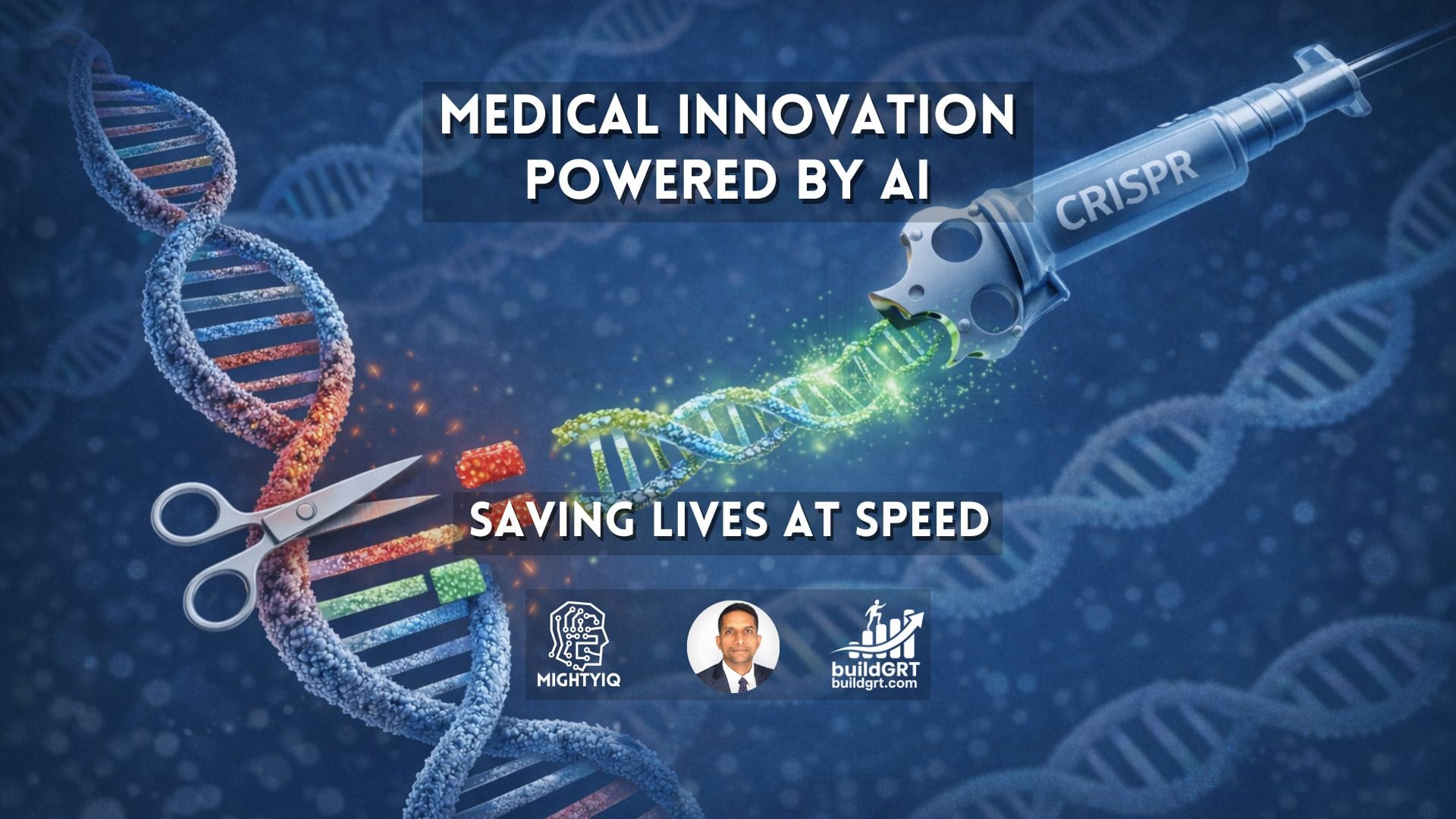
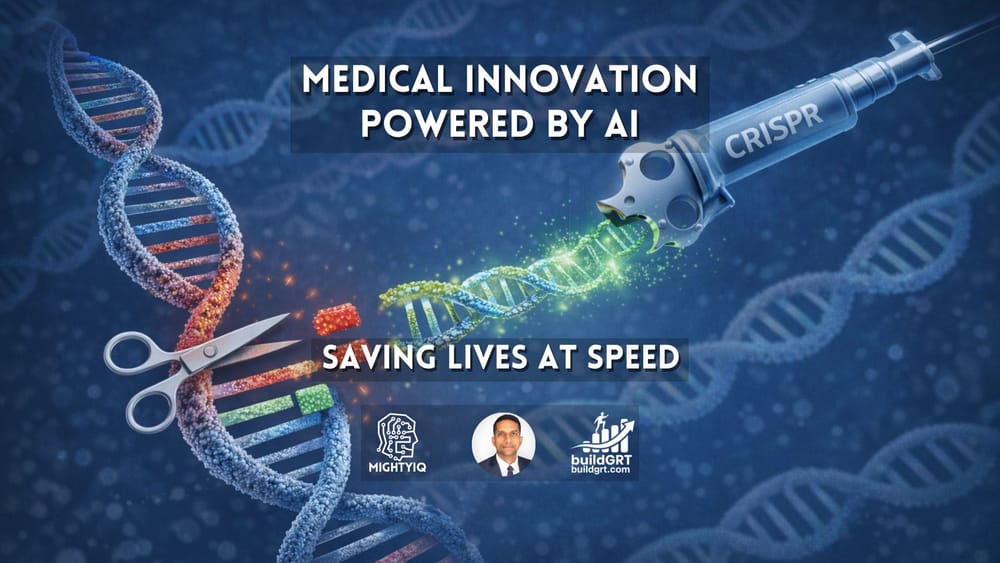
In this case, AI helped correct a single typo in a child’s DNA using CRISPR-Cas9, a gene-editing tool that works like a find-and-fix function for genes. Instead of managing symptoms, doctors addressed the problem at its source. What once took years was done in weeks.
That’s why the next phase of healthcare innovation isn’t about new science. It’s about building useful tools on top of what already exists - tools that save time, reduce errors, and make care easier to deliver.
The biggest opportunities are in:
- Personalized treatment design – Moving away from one-size-fits-all medicine to care built around an individual’s genetics, history, and risk profile, especially for rare and complex conditions.
- Administrative automation for clinicians – Reducing time spent on documentation, billing, and insurance workflows so doctors can focus more on patients, not screens.
- Faster, clearer clinical decision-making – Helping care teams quickly surface relevant information, identify risks early, and act with greater confidence under time pressure.
- Stronger safety, compliance, and auditability – Tracking data use, decisions, and outcomes in a transparent way that supports regulation, quality control, and trust.
- Better patient understanding and engagement – Translating complex medical information into clear explanations that help patients make informed decisions and follow through on care.
What Is AI-Driven Medicine?
AI-driven medicine uses computers to spot patterns in medical data and help doctors make better decisions. It doesn’t replace doctors. It helps them get to the right answer faster.
Key Highlights
- AI cuts long medical timelines down to weeks or months.
- CRISPR allows doctors to correct genetic errors instead of managing symptoms.
- Care can be shaped around individuals, not averages.
- Doctors regain time and clarity.
- Humans stay in charge — AI handles the heavy lifting.
The Key Takeaway
Modern medicine doesn’t fail because doctors don’t care or don’t know enough. It fails when time runs out. AI’s real value is simple: it buys time.
No technology solves everything. But when used well, AI can turn “too late” into “just in time.”
♻️ Repost if this resonates: in healthcare, faster decisions don’t just save time - they give families more memories to cherish.
🌐 Building something new?
If you’re looking for a reliable hosting provider, I’d recommend DreamHost.
We’ve used it for our client websites for over a decade - it’s fast, secure, and built for creators who want peace of mind.
🔔 Stay Connected
If this reflection on navigating an algorithmic world - without losing depth resonated with you, let’s continue the dialogue.
👉 Subscribe to my newsletter, Beyond Growth Playbook, for insights on strategy, technology, and transformation: iamgrt.com
👉 Join the builders shaping what’s next. Real insights, zero noise. buildgrt.com - your ticket to global growth.